Five remodeling services cover the work we run across Santa Monica, Venice, Brentwood and Pacific Palisades, out of downtown Santa Monica at 600 Santa Monica Blvd and answered 24 hours a day for consultations. Every one of those neighborhoods carries older, high-value housing — a 1920s Spanish Colonial Revival bungalow near the Third Street Historic District, a canal-front cottage in Venice, a large-lot estate in Brentwood, a coastal-canyon home in Pacific Palisades — yet the home behind each front door is genuinely different, which is exactly why we run every project as design-build rather than off a template. Below is what each service covers, and why these five in particular. Every project starts with a free consultation and a written estimate — see the contact page for how the call works, or read about the firm and its design-build approach.
The Five Services at a Glance
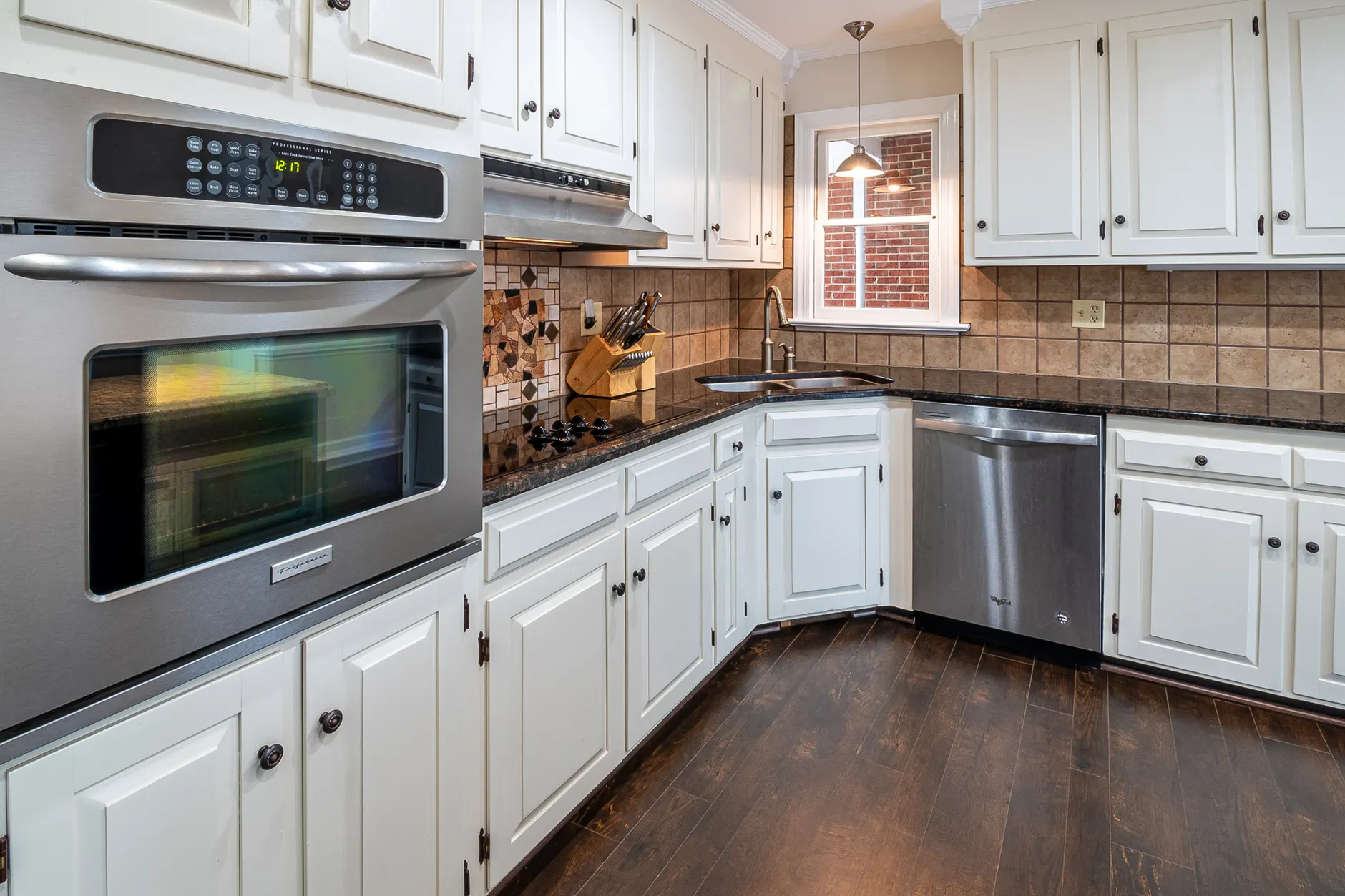
- Kitchen Remodeling — custom cabinetry, countertops, islands and backsplashes, from a period-sensitive refresh to a full layout reconfiguration.
- Bathroom Remodeling — walk-in showers, tub-to-shower conversions, vanities and tile, built for older homes and coastal bathrooms alike.
- Home Additions & ADUs — room additions and accessory dwelling units, with feasibility, permitting and build handled end to end.
- Flooring — hardwood, luxury vinyl plank and tile, planned alongside the remodel so heights and transitions line up.
- Whole-Home Remodeling — full-house renovations on the Westside's estate and period stock, scheduled around whether you stay or move out.
Why These Five, and Not a Franchise Menu
These categories were not lifted off a national template — they are the five things Westside homeowners genuinely ask a remodeler to do. Kitchen and bathroom remodeling lead because the region's high-value, older stock is built around rooms designed for a different era, and those homes reward a proper renovation rather than a replacement.
Additions, Flooring and Whole-Home Work
Home additions and ADUs ride the state's backyard-unit boom, which turned garages and unused square footage into new living space right across the coast. Flooring rarely stands alone here, since a period subfloor and the transitions between original and remodeled rooms have to be handled honestly, and whole-home remodeling is where all of it comes together on an estate or a bungalow taken back to the studs.
The Two Local Facts Behind Every Project
Two things shape how a remodel is planned here more than the finishes themselves do. The first is the homes: early-1900s Craftsman and California bungalow, 1920s–30s Spanish Colonial Revival, mid-century estates and canal-front cottages, worth remodeling to a high standard but full of original framing, plaster and dated layouts — so design and honest scoping take precedence over guesswork, and a written estimate reflects that.
The Regulation Side
The second is the regulation: every project sits under the California Building Standards Code, Title 24 and CALGreen, while the jurisdiction, the Coastal Zone west of Lincoln, historic districts, and — in the canyons — fire-hardening rules all turn on the specific address. On the Westside, the city line and the overlay, not just the house, shape the work.
Not sure which of the five fits what you are planning? Call (424) 384-1771 and describe it — most projects sort into a category inside the first couple of minutes, and a free consultation settles the rest. Read the area detail for Venice, Brentwood or Pacific Palisades, see what customers have said, or head back to the home page for the full picture of how the service area fits together.
Frequently Asked Questions
What sits under these five services?
Kitchen remodeling, bathroom remodeling, home additions and ADUs, flooring, and whole-home remodeling — five categories chosen because they match what Westside homeowners actually ask for, not a generic national menu. Each links through to its own page with a full breakdown of what is covered and how we approach it here. If a project does not obviously fit one of the five, call (424) 384-1771 and describe it; most remodels sort into a category within a minute or two on the phone, and a free consultation settles the rest.
What does design-build mean, and why does it matter for a remodel?
Design-build means the design and the construction sit with one team, so the group that draws your kitchen is the group that builds it — instead of you hiring an architect and a separate contractor and refereeing between them. Every one of our five services runs this way: free consultation, 3D design, written estimate, then the build, with permits pulled by us. On the Westside's older homes, where a wall opened for a remodel can reveal decades of ad-hoc work behind it, that single line of accountability is what keeps a surprise from becoming a dispute.
Are the estimates genuinely fixed, or does the number move once work starts?
Fixed, in writing, before demolition — that is the standard on every one of the five services, not just the larger projects. The written estimate follows the consultation and the design, so you are approving a defined scope rather than a rough guess. Changes only happen through a documented change order that you approve, typically when a hidden condition turns up inside an older home, so the price never drifts quietly on the invoice. Ask for the scope in writing every time, and that is exactly what you will get.
What building codes and rules does the actual work meet?
All of it is built to the California Building Standards Code, and significant remodels and additions have to meet the Title 24 energy code and CALGreen for efficiency and sustainability. Permits and inspections run through the correct jurisdiction — the City of Santa Monica for city addresses, and the Los Angeles Department of Building and Safety for Venice, Brentwood and Pacific Palisades. Where a parcel sits west of Lincoln in the Coastal Zone, a Coastal Development Permit can apply, and we confirm which of these your specific home triggers before design work begins.
Why is kitchen and bath remodeling the heart of what you do?
Because the Westside's high-value, older stock is built around kitchens and baths that were designed for a different era of living. The median owner-occupied home in Santa Monica runs around $1.75 million, much of it early-1900s Craftsman and 1920s–30s Spanish Colonial Revival, and those homes reward a full kitchen or bath renovation rather than a replacement. Cabinets, countertops, islands and backsplashes on the kitchen side, and walk-in showers, tub-to-shower conversions, vanities and tile on the bath side, are the most-requested projects we take on across every neighborhood we serve.
What is an ADU, and can you build one on my lot?
An ADU — an accessory dwelling unit, also called a granny flat or backyard cottage — is a second, self-contained living space on a residential lot, and California's 2016 laws made them far easier to build by preempting much of the local zoning that used to block them. The City of Los Angeles alone went from under 100 ADU permits in 2016 to over 7,000 in 2022, and it is one of the strongest remodeling drivers across the Westside. We assess ADU feasibility — setbacks, lot coverage, access and utilities — at the consultation, and handle the design, permitting and build under our home additions and ADUs service.
How do the neighborhoods you serve differ for a remodel?
They differ a lot, which is why we treat them as separate stories. Venice is eclectic beach bungalows and canal-front homes interleaved with architect rebuilds, on narrow lots and permitted through the City of Los Angeles; Brentwood is large-lot Cape Cod, Tudor and Spanish Revival estates plus protected mid-century homes, some on canyon hillsides; Pacific Palisades is coastal-canyon stock, much of it in active rebuild after the January 2025 fire. Santa Monica itself is its own city with its own permitting, a Coastal Zone west of Lincoln, and historic districts that shape a period remodel.
Do you handle historic and coastal-sensitive remodels?
Yes — a meaningful share of Westside work sits under some kind of overlay, and part of the job is planning around it rather than being surprised by it. Santa Monica's Third Street Neighborhood Historic District and its designated landmarks constrain exterior alterations on period homes, and parcels west of Lincoln fall in the Coastal Zone where a Coastal Development Permit can be required. We check these against your specific address at the consultation, so a kitchen or whole-home remodel is designed to work within whatever applies from the start, keeping the character of an older home intact where that matters.
Can you do a whole-home remodel while we keep living there — or do we move out?
It depends on the scope, and it is one of the first things we plan around a whole-home project rather than leave to chance. A phased remodel can sometimes keep part of the home livable while another part is worked on, but a full gut renovation or a project that takes the kitchen and only bathroom offline usually means moving out for the duration. We are straight about that at the consultation and build the schedule around it, so you know before signing whether living in place is realistic for your particular whole-home remodel.
How do you approach flooring in older Westside homes?
Flooring in a period home is rarely just a surface swap, because the subfloor and the transitions between original and remodeled rooms have to be dealt with honestly. We work in hardwood, luxury vinyl plank and tile, matching the material to the room and the home — solid or engineered hardwood for living spaces, tile or LVP where moisture and durability matter, and careful transitions where a new floor meets a period one. As part of a design-build project, the flooring is planned alongside the rest of the remodel rather than bolted on at the end, so heights, thresholds and finishes line up.
How do I get a project started?
Call (424) 384-1771 and describe what you are picturing — even a rough idea is enough. We will confirm your address falls within our coverage across Santa Monica, Venice, Brentwood, Pacific Palisades, Mar Vista and Marina del Rey, then book a free in-home consultation, which is where the design-build process genuinely begins. From there it runs in order — consultation, 3D design, written estimate, then the build — with the scope and price agreed on paper before anyone lifts a tool. See the contact page for how the call itself works.